Health News
How philanthropy thinks about infectious disease: Gates, Gavi and partners
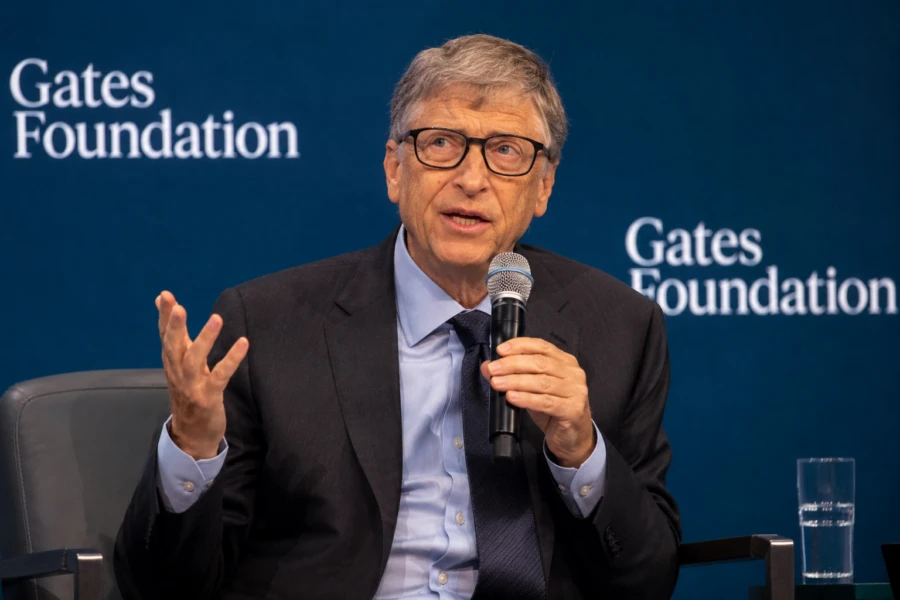
How philanthropy thinks about infectious disease: Gates, Gavi and partners
Infectious diseases do not stop at a border. Philanthropic funds reason like this: if a vaccine is missing in Lagos or Lahore, the same disease can show up in Europe later. Vaccines, they argue, are the sharpest, cheapest tool.
The Bill & Melinda Gates Foundation is the largest private player. It does not work alone. The World Health Organization (WHO) sets the course. Gavi buys and delivers. Wellcome and CEPI fund research into new outbreaks.
This explains that strategy. It is not medical advice. Dutch vaccinations follow the national programme, not a foundation in Seattle.
How does the Gates Foundation think?
The foundation puts it briefly: vaccines save 3.5 to 5 million lives a year. Since WHO launched the Expanded Programme on Immunization in 1974, an estimated 154 million lives have been saved, mostly children.
Its goal in lower-income countries: reach children, adolescents and adults with the shots they need. And a world without diseases you can prevent with a vaccine.
Three lines keep coming back:
- Buy and deliver what already exists. Gavi is their largest grantee. From 2000 to 2023, Gavi immunised more than 1.1 billion children and prevented more than 18.8 million future deaths, according to the foundation.
- Make new vaccines affordable. Think pneumococcal, rotavirus, HPV, cholera, meningitis A.
- Strengthen ordinary care. An immunisation programme, they say, is the backbone of primary health care.
In June 2025 the foundation pledged US$1.6 billion to Gavi over five years. Since 2000 it has committed more than US$30.6 billion to vaccines, including US$7.7 billion to Gavi.
That lines up with WHO's Immunization Agenda 2030: everyone, everywhere, at every age. And with Gavi 6.0 (2026–2030): vaccinate more than 500 million extra children and adolescents, save 8 to 9 million extra lives.
Where do they see it going wrong?
Progress has stalled. In 2023, 14.5 million children received not a single vaccine, more than the year before. Measles outbreaks rose. The foundation calls that a risk to decades of gains.
Their answer is not one new shot. It is reach: HPV introductions, measles campaigns, and extra effort in the lowest-coverage areas, including conflict zones.
Polio remains a flagship. Since 2007 the foundation has backed the Global Polio Eradication Initiative, with WHO, Rotary International, CDC, UNICEF and Gavi. Wild polio still occurs in Pakistan and Afghanistan. Cases have fallen by more than 99% since 1988.
Wellcome, CEPI and Rotary
Other funds think in the same direction, with a different job.
Wellcome Trust funds science and co-founded CEPI in 2017.
CEPI, the Coalition for Epidemic Preparedness Innovations, exists to have vaccines ready before the next epidemic. Governments, Gates and Wellcome set it up after Ebola. The aim: a faster vaccine for an unknown disease X, in their vision within 100 days. CEPI does not write immunisation schedules. That stays with WHO and countries.
Rotary International has raised money for polio for decades, as a GPEI partner.
The VIPS alliance (Gavi, WHO, Gates Foundation, UNICEF, PATH) shows how these groups pick innovations together, such as skin patches. Philanthropy often pays for the first steps. Governments and WHO decide whether a product enters a programme.
What does this mean for the Netherlands?
Nothing in your vaccination booklet is set by a foundation. RIVM, the Health Council and the Ministry of Health do that.
It still touches you indirectly. Global procurement keeps measles, polio and cholera smaller. Travel vaccines, pandemic preparedness and new delivery methods come from the same network.
Write down the date and name of each shot. Vaxy keeps that record, including if you later travel to a country where Gavi does the buying.
This article is information, not medical advice.
Short answers
What does the Gates Foundation want? Get vaccines to people in lower-income countries, and prevent infectious disease in the next generation.
What is Gavi? An alliance of governments, WHO, UNICEF, the World Bank, industry and the Gates Foundation that buys vaccines for poorer countries.
Does philanthropy set Dutch policy? No. RIVM, the Health Council and the Ministry of Health do. WHO issues global guidance.
Who else works on this? Wellcome, CEPI, Rotary, UNICEF and national donors, among others.