Health News
Moderna mRNA cancer vaccine succeeds in large melanoma trial
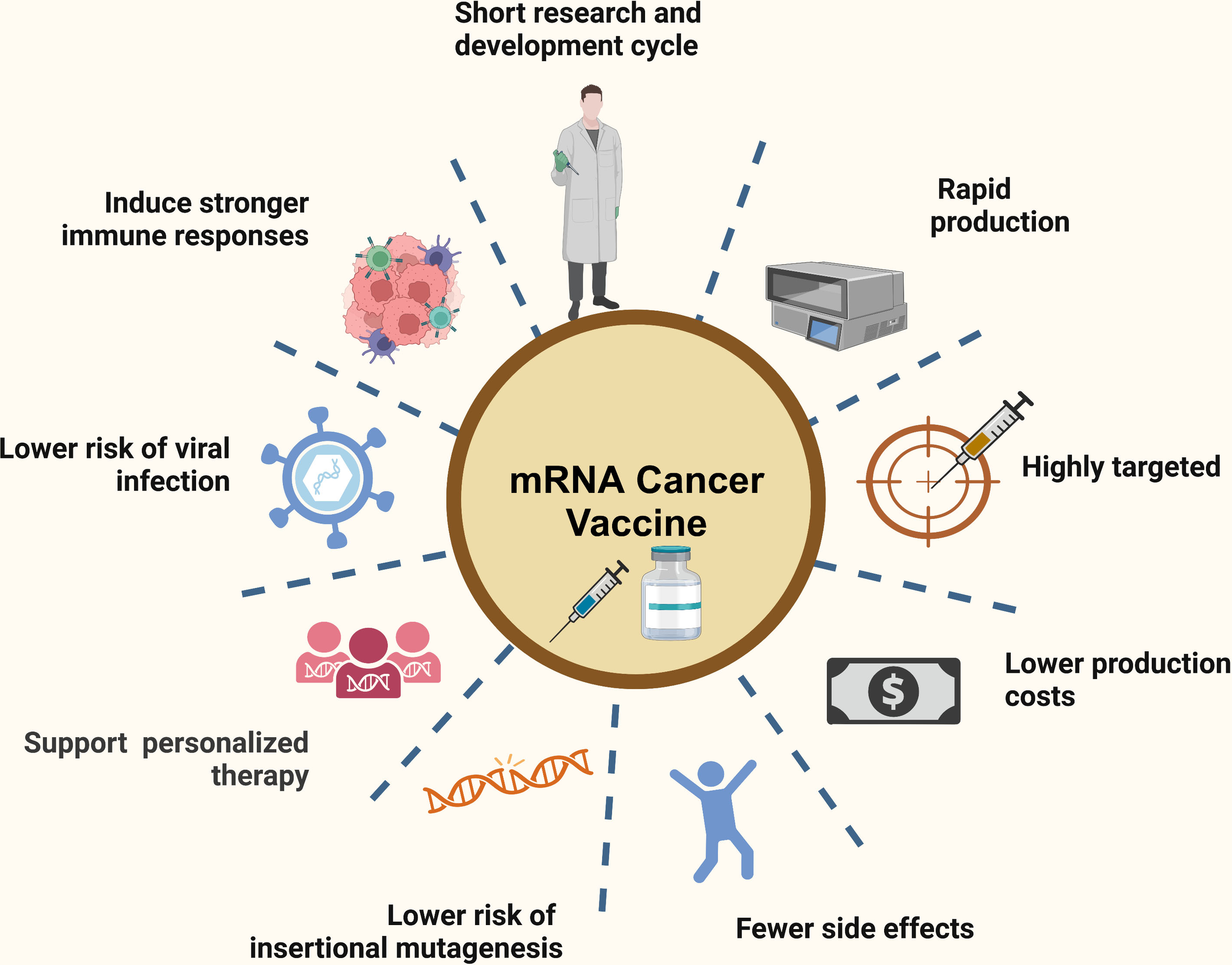
Moderna mRNA cancer vaccine succeeds in large melanoma trial
On 19 August 2026, Moderna and Merck shared good news. Their personal mRNA cancer vaccine, used together with the cancer drug Keytruda, worked in a large study. The vaccine helped people with melanoma stay free of cancer for longer after surgery.
This is the first large Phase 3 study to show that an mRNA cancer vaccine can work. It is also the first time this kind of personal vaccine did better than Keytruda alone after melanoma surgery.
What is the Moderna mRNA cancer vaccine?
The treatment is called intismeran autogene. You may also see the names V940 or mRNA-4157.
It is not a vaccine that healthy people get to prevent cancer. It is a treatment for people who already had melanoma, after doctors removed the tumour with surgery.
Doctors call this adjuvant treatment. That means extra treatment after surgery, to lower the chance that cancer comes back.
How does a personal mRNA cancer vaccine work?
Melanoma is a serious form of skin cancer. Each tumour has its own set of changes, called mutations. You can think of this as a unique fingerprint.
The vaccine is made for one person:
- Doctors take a sample of the tumour.
- Scientists read the fingerprint of that tumour.
- They make an mRNA vaccine that teaches the immune system to find those cancer marks.
- After the shot, the body reads the mRNA and makes small protein pieces. The immune system then learns to attack cancer cells with the same marks.
mRNA is a short message that cells can read. COVID-19 vaccines also use mRNA, but this cancer vaccine is different. It is made for one patient and one tumour.
The vaccine is given together with Keytruda (pembrolizumab). Keytruda is an immunotherapy drug. It helps the immune system notice and fight cancer cells.
What did the Phase 3 melanoma trial find?
The study is called INTerpath-001. A Phase 3 trial is a large, late study. Companies often use this kind of study before they ask health authorities to approve a treatment.
At a planned check of the data, the study met two main goals:
- People stayed free of cancer for longer. Cancer was less likely to come back.
- Cancer was less likely to spread to other parts of the body.
The companies say the difference is real, not chance, and that it matters for patients. The study is still running. Researchers will also look at how long people live.
Full numbers will be shared at a medical meeting. Moderna and Merck also plan to talk with regulators about approval.
Who took part in the study?
The trial included 1,137 people with high-risk melanoma. Their cancer was stage 2B, 2C, 3 or 4. Surgery had already removed the cancer.
People were split into two groups at random:
- About two out of three people got the personal mRNA vaccine plus Keytruda
- About one out of three people got Keytruda alone
Treatment lasted about one year. People could get up to nine doses of the vaccine.
Is the mRNA cancer vaccine safe?
So far, the companies report no new safety problems. Earlier studies found common side effects such as:
- Feeling tired
- Pain where the shot was given
- Chills
Keytruda can also cause immune side effects. People in a trial are watched closely.
What did earlier studies show?
In a smaller Phase 2 study, the same combination lowered the risk of cancer coming back or death by 49% after five years, compared with Keytruda alone. It also lowered the risk of cancer spreading far away, or death, by 59%.
The new Phase 3 study is larger. This is the kind of study that regulators use when they decide if a treatment can be approved.
Can you get this vaccine now?
Not yet. This treatment is not approved for general use.
Moderna says the companies want to ask for approval within months. There is no exact date yet.
If it is approved, it would first be for people with high-risk melanoma after surgery, not for everyone.
Could this help other cancers?
Merck and Moderna are also testing this idea in other cancers, including lung cancer, bladder cancer and kidney cancer.
Those studies are still ongoing. Good results in melanoma do not automatically mean it will work for every cancer.
What this news means for you
If you do not have melanoma, you do not need this vaccine. The best ways to lower melanoma risk are still simple:
- Protect your skin from the sun
- Avoid tanning beds
- Check your skin and see a doctor if a mole changes
If you or someone close to you has had melanoma, this news is hopeful. Talk with a cancer doctor. They can explain current treatment and whether a clinical trial might be an option.
This article is information, not medical advice.
Quick answers
Is this a vaccine that prevents cancer? No. It is a personal treatment after surgery for melanoma.
Is it the same as the COVID-19 vaccine? No. Both use mRNA, but this vaccine is made for one person's tumour.
Is it approved? Not yet. The companies plan to ask health authorities soon.
Did it work better than Keytruda alone? Yes, in this Phase 3 study. Full details will be presented at a medical meeting.